What is your painting worth, and why?
Researched valuation of paintings: oils, watercolours, portraits, landscapes and miniatures. The attribution ladder, condition, and cited comparable sales.
A painting is worth what comparable pictures by the same hand, or of the same kind, have recently sold for, and 'the same hand' is the whole argument. The written report places your picture on the attribution ladder with a confidence level and the reasons, says what it is and what condition the photographs allow it to judge, cites comparable sales with lot, price and venue, and compares the routes to a sale.
In 2014 a family in Toulouse went up to the attic to fix a leak and found, behind a mattress, a large dark canvas of a woman cutting off a man's head. Five years and one export ban later it was catalogued as Caravaggio's lost 'Judith and Holofernes', estimated at up to a hundred and fifty million euros, and bought privately two days before the sale. Some scholars still say it is by Louis Finson, a Flemish painter who copied Caravaggio for a living. The picture has not changed. The argument about who made it is the entire difference between a curiosity and a fortune.
That is the first thing to understand about the value of a painting: it is a claim about a person, tested in a saleroom. A small panel of Christ holding a crystal orb was sold at an estate auction in New Orleans in 2005 for one thousand one hundred and seventy-five dollars. In November 2017, cleaned, restored, exhibited and renamed the Salvator Mundi, it sold at Christie's in New York for four hundred and fifty million. Nothing about the wood or the paint had changed; the claim had. Hans van Meegeren made the same point from the other direction. His 'Vermeers', painted in the 1930s with badly aged varnish and a phenol resin baked hard in an oven, fooled the leading expert of the day and sold one to Hermann Göring, and he only confessed in 1945 because the alternative was a charge of selling a national treasure to the enemy. Between those poles sits the trade's quiet, forty-year project on Rembrandt, which looked at every painting carrying his name and roughly halved the number it would accept.
Out of all this the auction houses built a vocabulary of doubt, and it is the most useful thing on this page. A picture is 'by' an artist, or 'attributed to' him, or from his 'studio', or by his 'circle', or by a 'follower', or 'in the manner of', or 'after'. Each word is a price. A portrait described as 'follower of Van Dyck' is an honest seventeenth-century painting by someone working in his style, and it sells for what such paintings sell for; the same canvas with the first two words removed would sell for a house. Learning to read that ladder, and to see where your own picture honestly sits on it, is most of what a valuation is.
The humbler truth is that almost nobody owns a sleeper. The paintings that come down through families are Victorian landscapes with no signature, portraits of ancestors nobody can name, copies after famous pictures made by amateurs and art students, pretty watercolours, and the work of regional artists who had a real career and a real auction record that the family never knew about. Every one of those has a market, sometimes a surprising one, and the point of a researched valuation is to find it: which room, which buyers, which recent sales. This page tells you what we look at, what moves the figure, and what the written report covers when you upload photographs. Comparable prices come from the auction record and the specialist dealers, not from asking prices.
A painting is worth what comparable pictures of the same attribution, subject, size and condition have recently sold for, and each of those words hides a question. How firmly can the hand be named, and on what evidence: a signature, a style, a label, a previous sale? Is it a subject people want on a wall? Is it the size a buyer can hang? And what has happened to it in a hundred years of damp walls, coal fires and well-meaning cleaning?
The answers spread the pictures people actually own across four orders of magnitude. A competent nineteenth-century copy of a famous painting is a decorative object worth tens of pounds, however old the canvas. An unsigned but genuine period picture, a Georgian portrait of an unknown sitter, a Victorian river scene, a 1920s still life, runs from the low hundreds into the low thousands, and the frame is sometimes worth more than what is in it. A signed picture by a regional or 'listed' artist, one whose sales appear in the record, runs from a thousand into the tens of thousands, and the price depends on which of his subjects and which of his decades it is. Named modern artists with an international following, and Old Master pictures that climb the attribution ladder, run from there into six figures and beyond.
Attribution is the lever. Condition and subject are the brake.
What changes the price
Six things matter, in roughly this order.
Attribution comes first and the whole ladder is in play. 'By' means the house will stand behind it. 'Attributed to' means probably, in whole or in part. 'Studio of' means made in the artist's workshop, perhaps under his eye. 'Circle of' means a contemporary close to him; 'follower of' means in his style, then or soon after; 'manner of' means in his style but later; 'after' means a copy of a known picture. A signature is evidence for the first rung, not proof of it: the catalogue phrase 'bears a signature' is the trade's way of saying the signature may have been added by someone else, and a sale record that contains the picture itself is worth more than any signature. The report searches the sale record with the photograph as well as with words, for exactly that reason.
Subject comes second and it is brutal. Buyers hang pictures on walls, so they pay for what they want to look at: pretty women, children, dogs, horses, boats in sunlight, snow, flowers, a view they recognise. Portraits of unknown men in black, dead game, religious scenes and anything brown sell for a fraction of the same artist's pleasant subjects. The trade calls it wall power, and it is why two pictures by one hand can differ tenfold.
Medium and support come third. Oil on canvas is the default; oil on panel is older or deliberately archaic; oil on board or hessian is twentieth-century and often economical. Watercolour (watercolor, in American catalogues), gouache and pastel are works on paper, valued on their own scale, and they fade: a watercolour that has hung in sunlight for sixty years has lost the pinks and blues its buyer would pay for. And a great many 'oil paintings' are prints. The Victorians produced oleographs, chromolithographs varnished and embossed with a canvas grain to look like oils, by the hundred thousand, and they still come out of attics with a frame worth more than the picture.
Condition comes fourth. Oil paint cracks with age in a network the trade reads like a fingerprint, and a crack pattern that has been induced rather than earned is a warning. Relining, a second canvas glued to the back, was routine in the nineteenth century and is not a fault; a canvas that has been over-cleaned, or 'skinned', so that the glazes are gone, is. Overpaint hides under varnish and shows under ultraviolet, which is a test that needs the picture in a room, so the report says when that is the case rather than guessing. Bitumen, a brown pigment the Victorians loved, never dries and wrinkles for ever; foxing, the brown spots on paper, is a fungus and can be treated.
Size and provenance come fifth and sixth. A picture the size of a door needs a buyer with a wall, and sells for less per inch than one that fits over a fireplace. Provenance is everything on the back: exhibition labels, a dealer's stamp, a stencilled auction stock number that the house can still decode a century later, a canvas-maker's mark that dates the canvas to within a few years. Photograph the back. It has told us more than the front more than once.
Kinds of painting, and what to look for in each
These are the kinds of picture that come to us most, with the questions a specialist asks of each. The caption under each photograph is the estimate from that report; the full report, with its sales and its reasoning, opens from the picture.
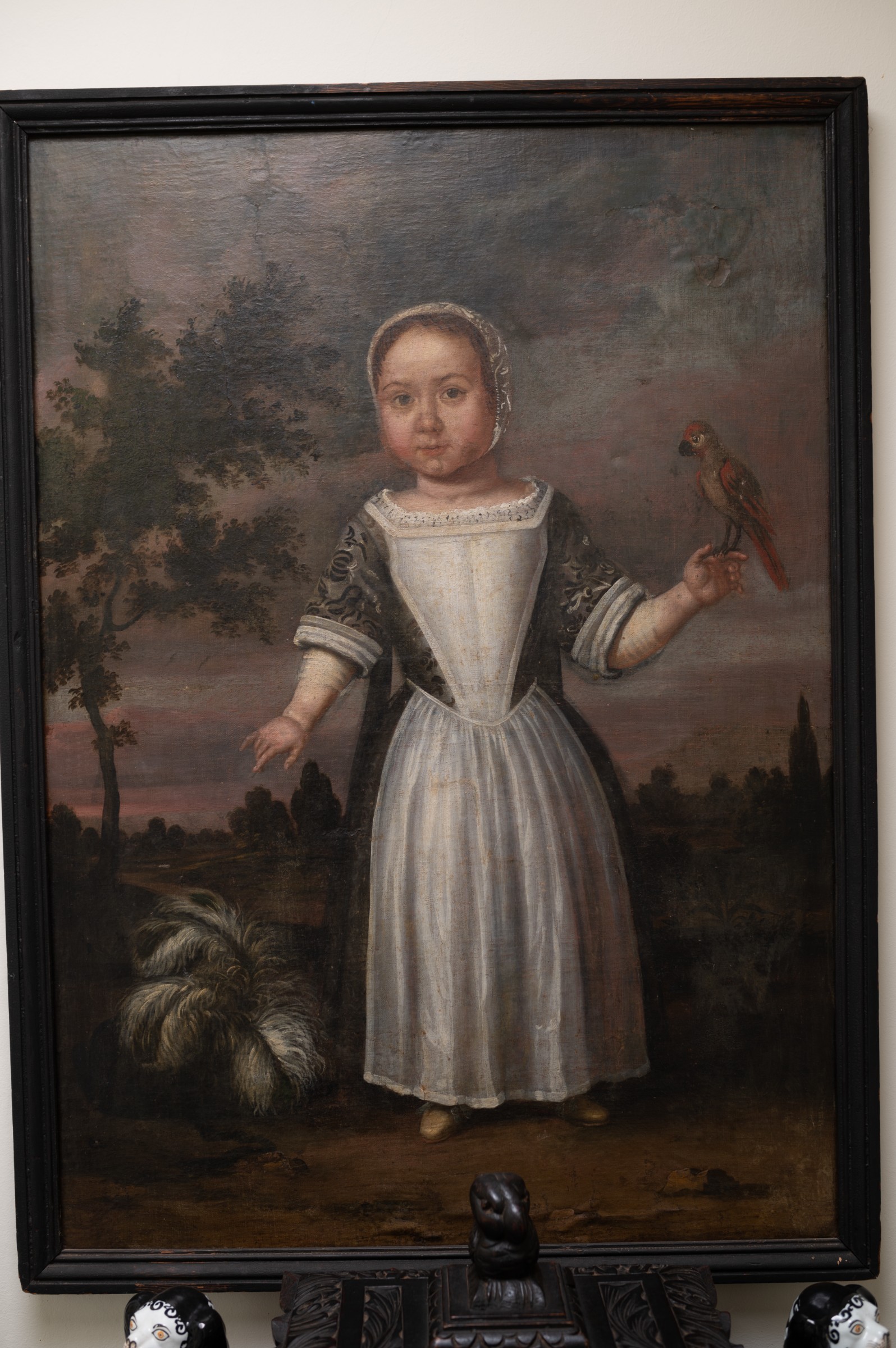
Old Master 'school' pictures. Most paintings made before 1800 that survive in private hands have no name attached, and the honest description is a school and a period: 'Dutch School, 18th century', 'Italian School, 17th century'. That is not a failure of research; it is where the evidence stops. A child with a pet, a merchant in black, a saint in ecstasy: each was painted by the hundred, by competent hands whose names were never recorded.
What to look for: a wood panel or a hand-woven canvas with the irregular weave that machine looms later replaced; craquelure that follows the paint, not a pattern laid over it; a stretcher with wooden keys at the corners; an old relining. What raises value: a subject people want, a likely region and decade, an unusual detail (the parrot, the costume) that lets the picture be placed, and anything on the back. What lowers it: heavy overpaint, a 'bears signature' added later to give the picture a name it has not earned, and the words 'in the manner of', which mean a later imitation.
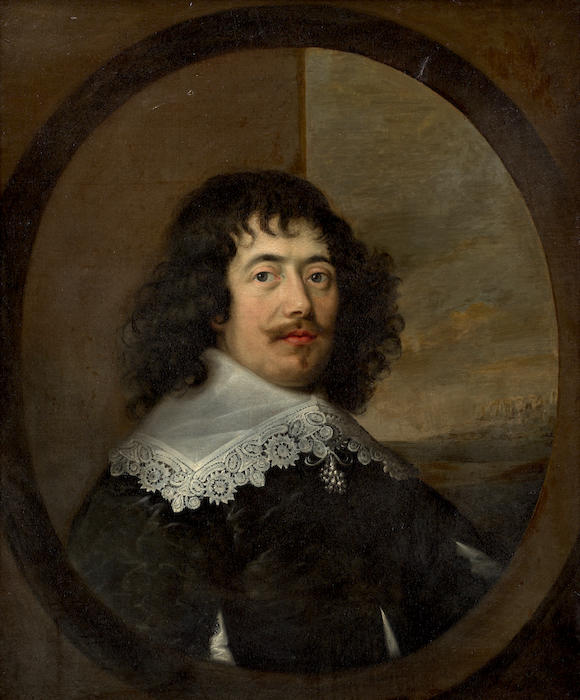
Portraits of people nobody can name. The commonest inherited painting, and the hardest to sell, because a buyer is asked to hang a stranger. The trade calls them 'ancestor portraits' and sells them to decorators by the yard, unless the painting itself is good enough to carry the room. 'Follower of' or 'circle of' a great name, Van Dyck, Lely, Kneller, Reynolds, is the usual attribution, and it is a real one: these were painters working in a master's manner, in his lifetime or soon after, and their work is collected as such.
What to look for: a painted oval, a lace collar or a wig that dates the sitter to a decade; an identity, which can multiply the price, in an inscription, a coat of arms or a label; the quality of the hands and the lace, which are where lesser painters give themselves away. What raises value: a named sitter, a pretty or very young one, a dog, a documented previous sale. What lowers it: a cut-down canvas, a Victorian 'improvement' to the background, and the plain fact of a stern man in black.
.jpg?alt=media&token=488a04e8-3aec-4a1a-94c8-1d9e2d720975)
Copies, and the word 'after'. For two centuries copying was how painters learned, how families got a Constable for the parlour, and how a print-seller made a living, and the copies survive in enormous numbers. 'After' is the catalogue word for a copy of a known picture, at any date and by any hand. A reversed composition is a particular tell: the copyist worked from an engraving, which reverses the original.
What to look for: the composition itself, which a search of the record will usually identify within seconds; the canvas, where a copy on a machine-woven canvas with a stamped maker's mark is Victorian whatever the picture pretends to be; the handling, which is tighter and more careful than an original. What raises value: a copy by a named painter of the next generation, a copy made in the original's lifetime, and decorative quality in a large size. What lowers it: everything else. An honest copy is a pleasant thing to own and is priced as furniture, and the report will say so plainly rather than let anyone hope.
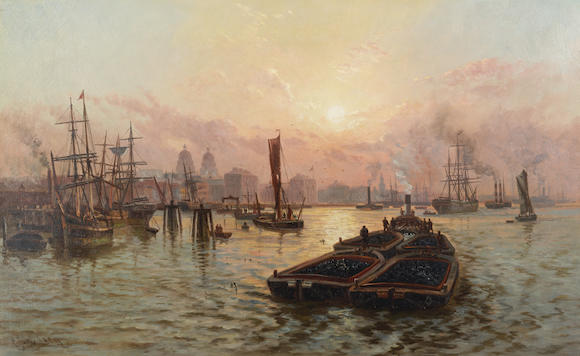
Victorian and Edwardian pictures. The great age of the professional painter, when every town had men who made a living from river scenes, Highland cattle, shipping off a headland and cottage doors, and sold them through dealers and the annual exhibitions. Thousands of these painters are 'listed': their names and their sales are in the record, and a signature on one of these pictures is worth checking, because the gap between an anonymous river scene and a signed one by a collected name is often tenfold.
What to look for: a signature and a date in the lower corner, often small; an exhibition label or a dealer's label on the back; a frame of the period, which has its own value; a subject with a named place, since a view of Greenwich sells to people who care about Greenwich. What raises value: marine subjects with named ships, snow, sunsets, children, animals, and any artist whose record shows prices rising. What lowers it: bitumen cracking in the shadows, a darkened varnish that has gone to tobacco, and the brown subjects nobody wants, however well painted.
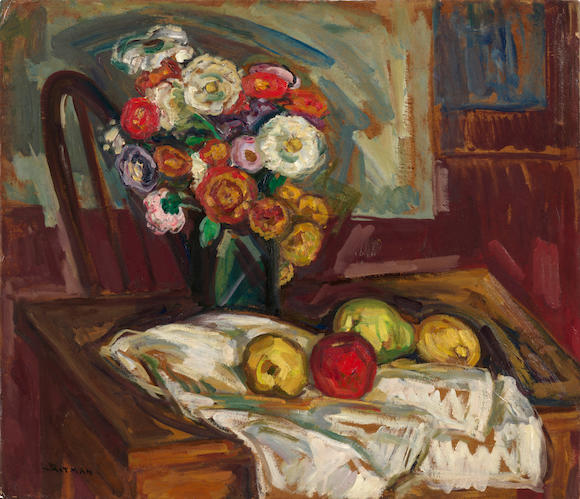
Still life. Flowers, fruit and the table they stand on, the subject painters have used for four hundred years to show what they can do with light. It is also the subject in which the gap between a good and a routine picture is widest, and the market knows it: a bold post-impressionist bouquet by a listed hand is a different object from a tidy Victorian basket of roses, and the words 'attributed to' on a still life mean a style and a signature that point to a painter without yet proving him.
What to look for: the signature, which on a still life is often in a corner the frame hides; the handling of white, where weak painters fail; the date the manner belongs to. What raises value: a named painter with a record, colour and scale, and the twentieth-century manners that decorators want. What lowers it: an 'attributed to' that the sale record cannot support, relined and skinned canvases, and the dark Dutch-style still life of dead birds that was fashionable in 1870 and is not now.
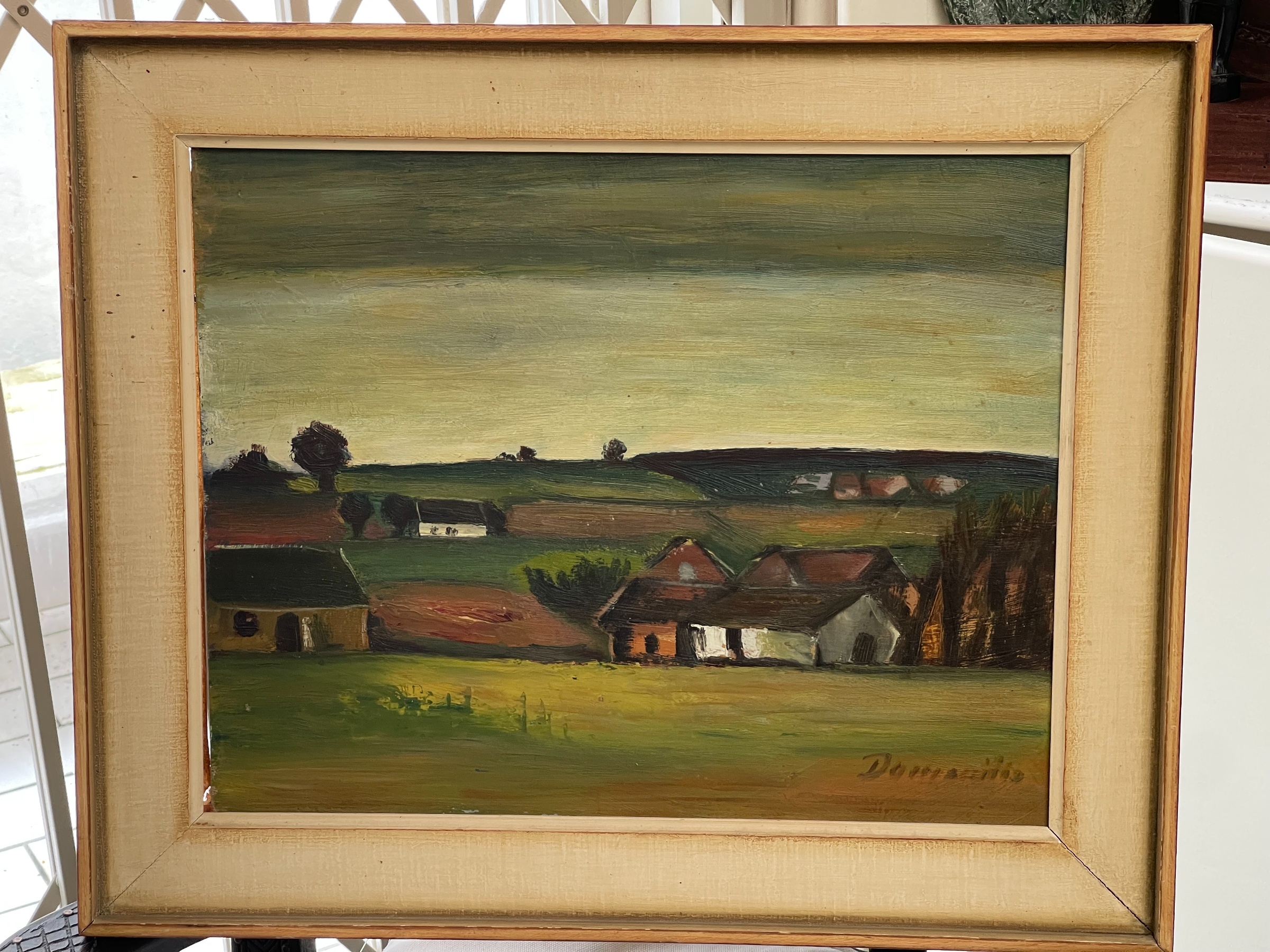
Signed, but who by? 'Signed indistinctly' is one of the most common lines in a painting catalogue, and it hides the most interesting problem in the field. A regional painter with a real career leaves a record in regional salerooms, and his signature, once read, turns a decorative landscape into a known artist's work with a price history. The scanner enlarges the signature, reads it at several contrasts, and compares it with how the candidates signed; where it cannot be read, the search of the sale record by the picture itself is the second route to the same answer.
What to look for: the signature, obviously, and the back, where a title, a date or a gallery label may spell out what the front only hints at; the style and the subject, which place a picture in a country and a decade even when the name will not come. What raises value: a reading of the signature that the record confirms, a subject the artist is known for, and an exhibition history. What lowers it: a signature nobody can match to a sale, and the honest description 'attributed to' with a confidence level to match.
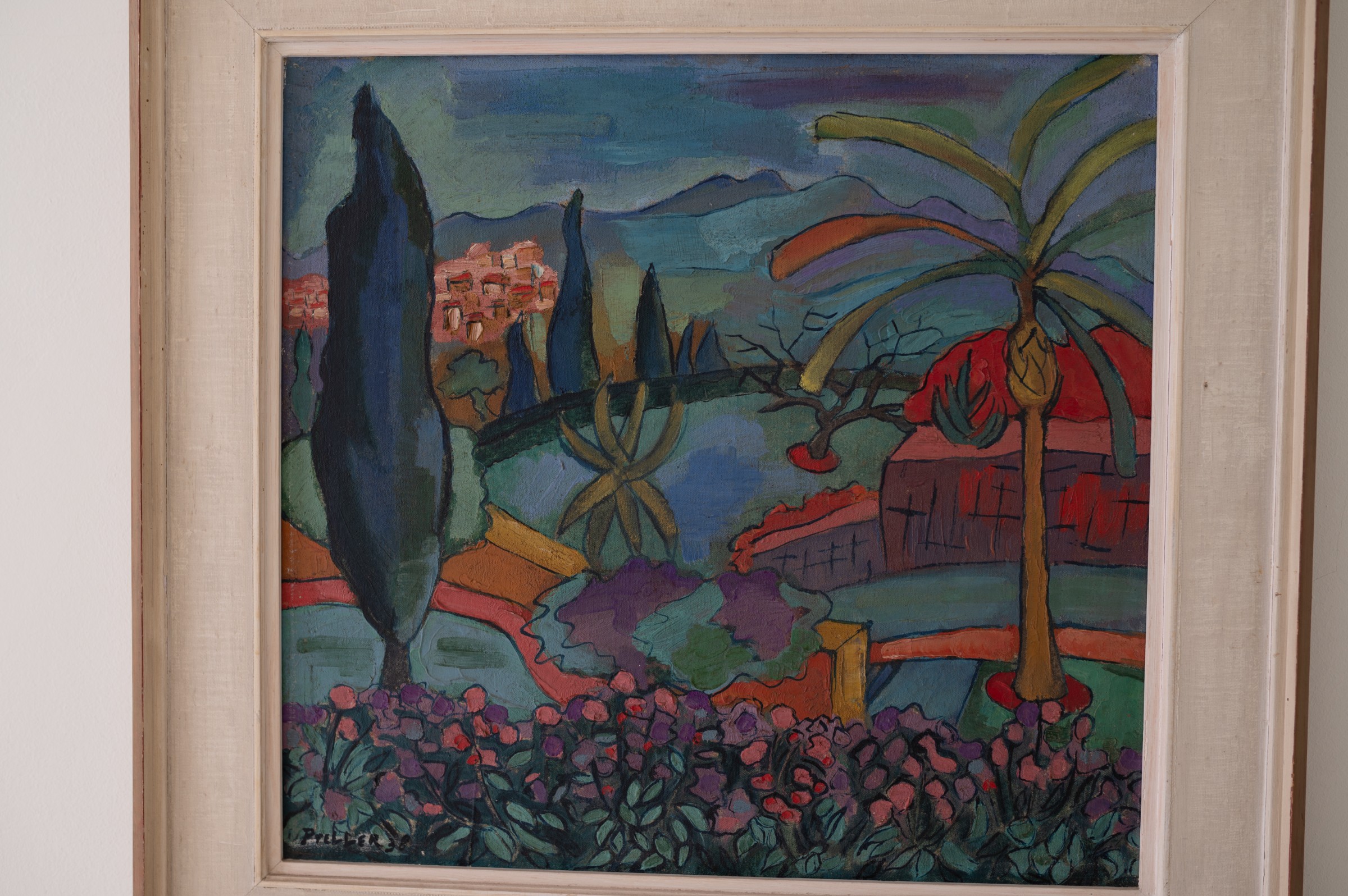
Named modern artists with an auction record. From about 1900 the record becomes rich: artists exhibited, dealers kept stock books, and the auction houses sold and resold, so a signed picture by a twentieth-century name can be placed against dozens of its siblings. Value then turns on which picture it is within that artist's life. Every career has a prime period, a prime subject and a prime size, and a painting from the right year of the right kind sells for a multiple of the same artist's routine work.
What to look for: signature and date, since the date places the picture in the career; the support, where an economical material can be a period mark rather than a weakness; labels and inscriptions on the back that tie the picture to an exhibition or a dealer. What raises value: a documented sale of the picture itself, a prime-period date, an exhibition label, and a national market that has woken up to the artist. What lowers it: a signature that does not match the artist's hand, a late or minor subject, and a market that sells best in a room on another continent, which is a venue question and not a fault.
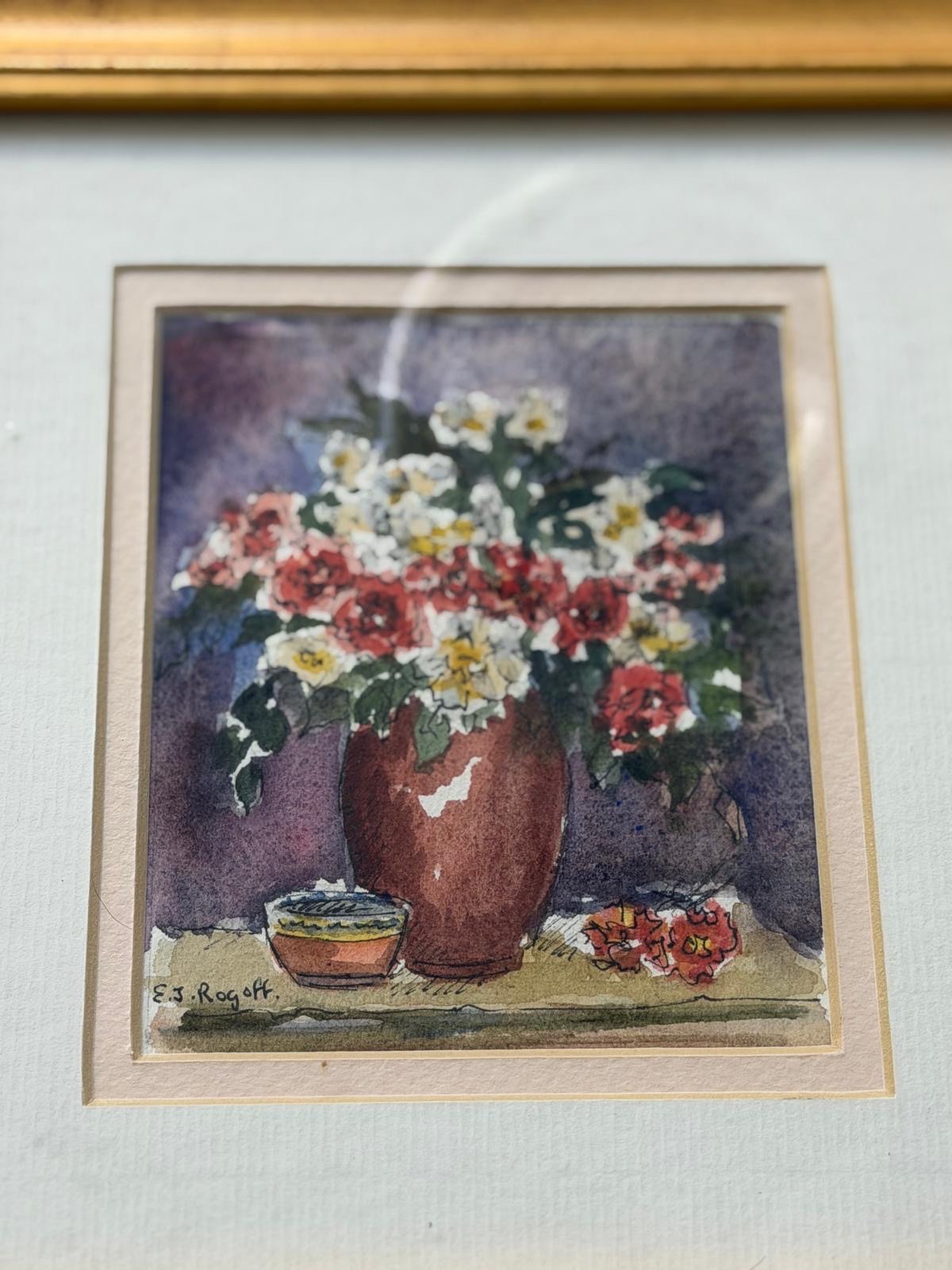
Works on paper: watercolour, gouache, pastel and ink. Valued on their own scale, generally below oils by the same hand, and governed by the paper as much as the picture. A watercolour is fragile in a way an oil is not: light fades the fugitive pigments, damp foxes the sheet, acid mounts burn a brown line around the image, and a sheet that has been 'laid down' on card has lost value already. Pastel sits loose on the surface and must be glazed; gouache, opaque watercolour, holds its colour better.
What to look for: the signature, often in pencil; a watermark in the paper, which can date it; the edges, since a sheet cut down is worth less; whether the colours are still fresh in the areas the mount protected. What raises value: a named artist with a record, strong colour, an exhibition label, and the original mount and frame. What lowers it: fading, foxing, a mount burn, and a decorative picture by a minor hand, which is priced as such and honestly: the report says when the floor is the answer.
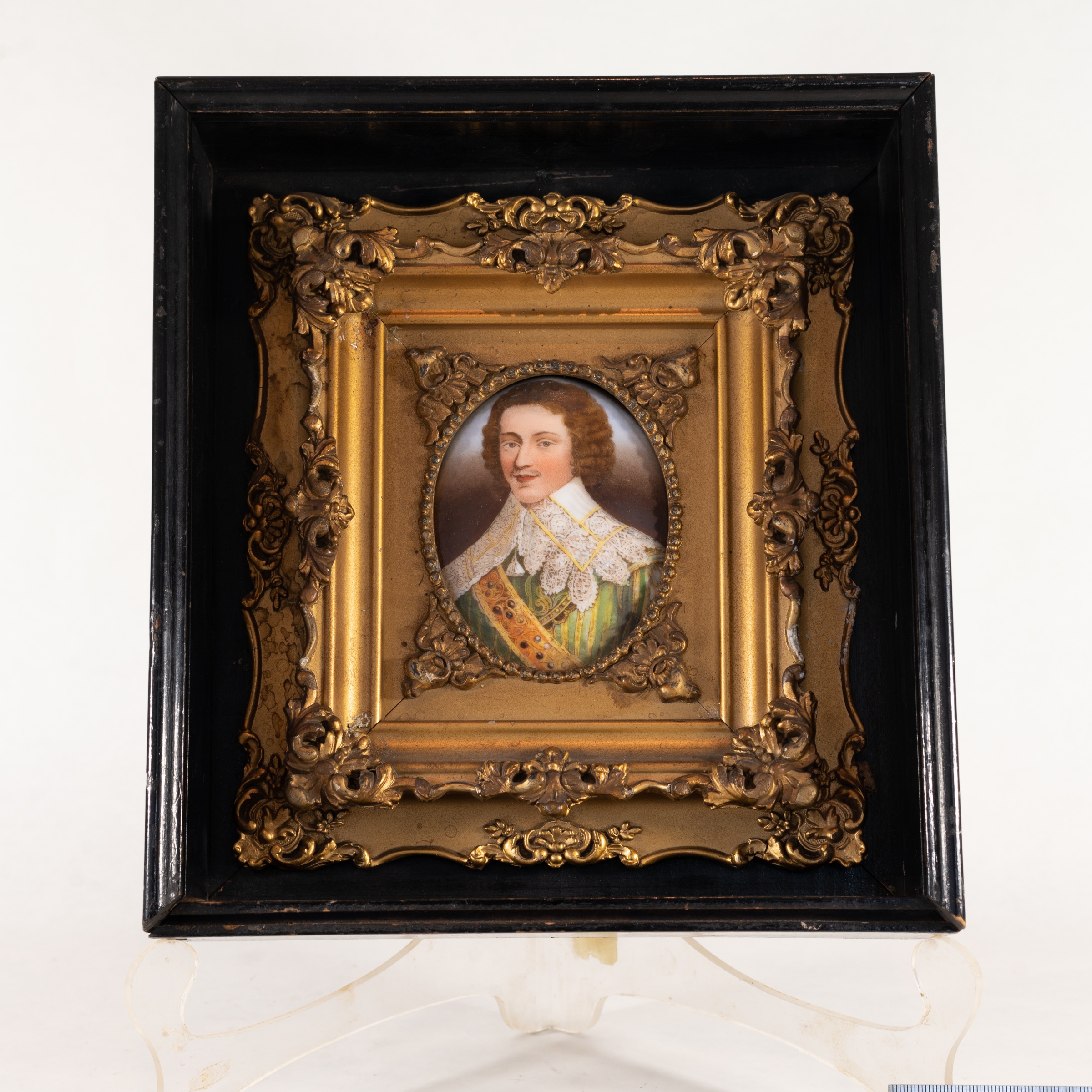
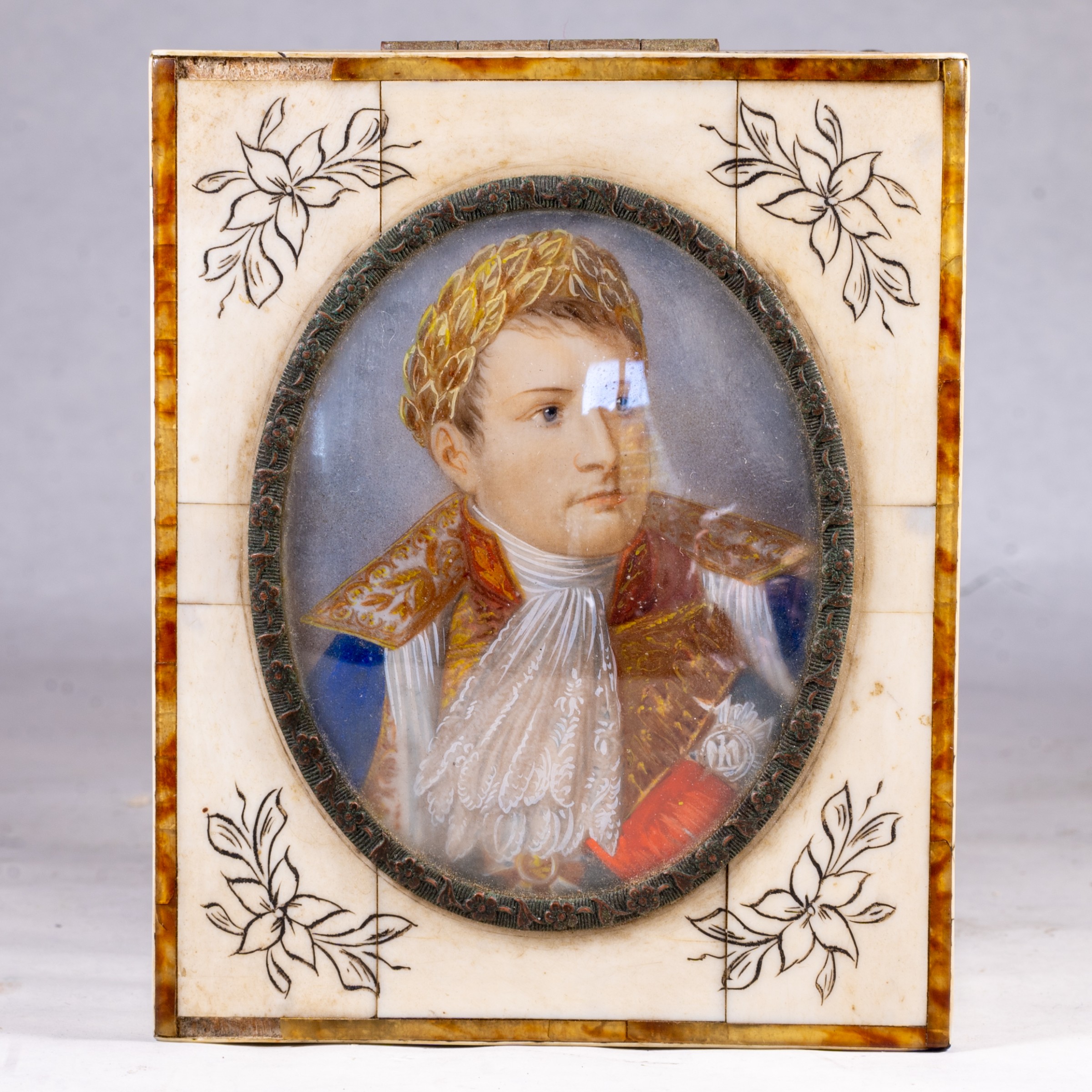
Portrait miniatures. A market of their own, with its own specialists and its own sales. The great period runs from the Tudor limners to the 1840s, when photography killed the trade overnight; a signed miniature by a named hand on ivory from that period sells in the thousands and up. Then, from about 1870 to 1920, came the revival: 'historicist' miniatures after famous portraits, Napoleon in his laurels, Marie Antoinette, Queen Louise, child princes, painted for the decorative trade and set in ivory, tortoiseshell and gilt-metal frames. These are what most families own, and they are worth hundreds, not thousands.
What to look for: the support, whether ivory, vellum, porcelain or card; a signature or a date on the front or the backing; the frame, which is often most of the value; and the subject, since a copy of a famous portrait is a revival piece by definition. What raises value: a named limner, an identified sitter, a hair-work or locket back, an untouched period frame. What lowers it: a cracked ivory, a faded face, and a revival piece described, or hoped, as period. Ivory has its own rules: in the United Kingdom a pre-1918 miniature can still be sold but must be registered under the Ivory Act's exemption first, and other countries differ; the report flags it.
Comparisons: the same kind of picture, a different price
The quickest way to see what moves the figure is to put pictures of the same kind side by side. Each row below is drawn from our own reports; the captions give the estimate, and the table says, in general terms, what separates them. Click any picture for its full report.
| Picture | Rung | What the word means | Estimate |
|---|---|---|---|
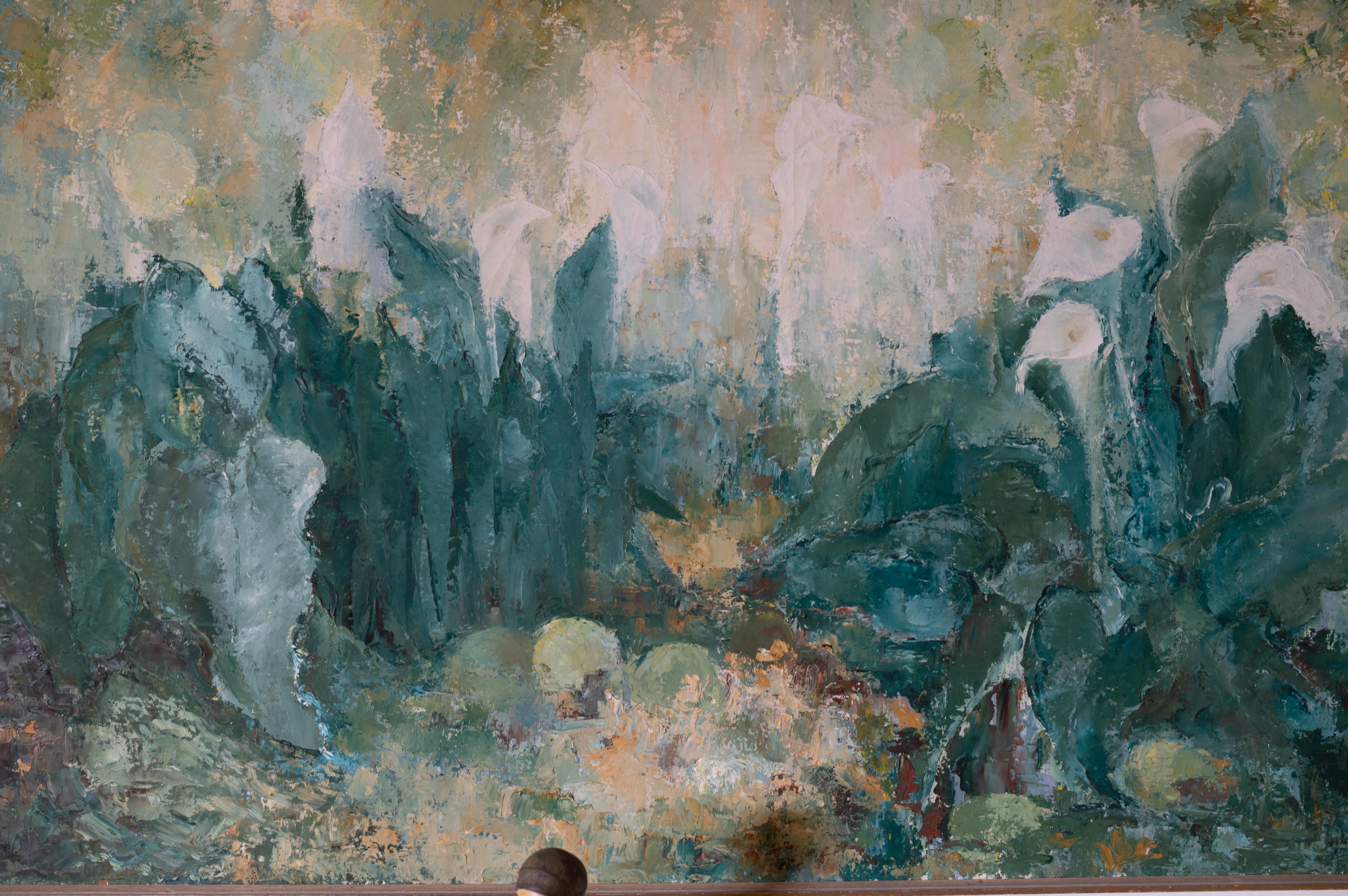
| Cecil Higgs, 'Arum Lilies' | By | The record contains the picture itself: it was matched to its own previous sale, which settles the hand without a signature. The price is the artist's price | $25,000 – $35,000 |
| Still life, attributed to Louis Ritman | Attributed to | A signature and a style point to the painter and the record does not contradict them, but nothing proves it. The price is a discount on the artist's price, and the confidence level says how deep | £1,600 – £4,000 |
| Portrait of a gentleman, follower of Van Dyck | Follower of | A seventeenth-century painter working in Van Dyck's manner. An honest period picture, priced as the work of an anonymous good hand, and the record contains its own previous sale | £1,500 – £3,000 |
| 'The Glebe Farm', after Constable | After | A copy of a known picture, here reversed because it was made from an engraving. Priced as a decorative object whatever its age | £50 – £80 |
| Picture | Attribution | What separates it | Estimate |
|---|---|---|---|
| Girl with a parrot | Dutch School, 18th century | A full-length child with a pet in a landscape: the subject buyers want. Unsigned and unplaceable beyond school and century, but charming, and charm is priced | A$2,000 – A$3,000 |
| Gentleman in a painted oval | Follower of Van Dyck, c. 1635–1650 | A good seventeenth-century hand in the manner of a great name, with a documented previous sale. The painted oval and the lace are the quality tells | £1,500 – £3,000 |
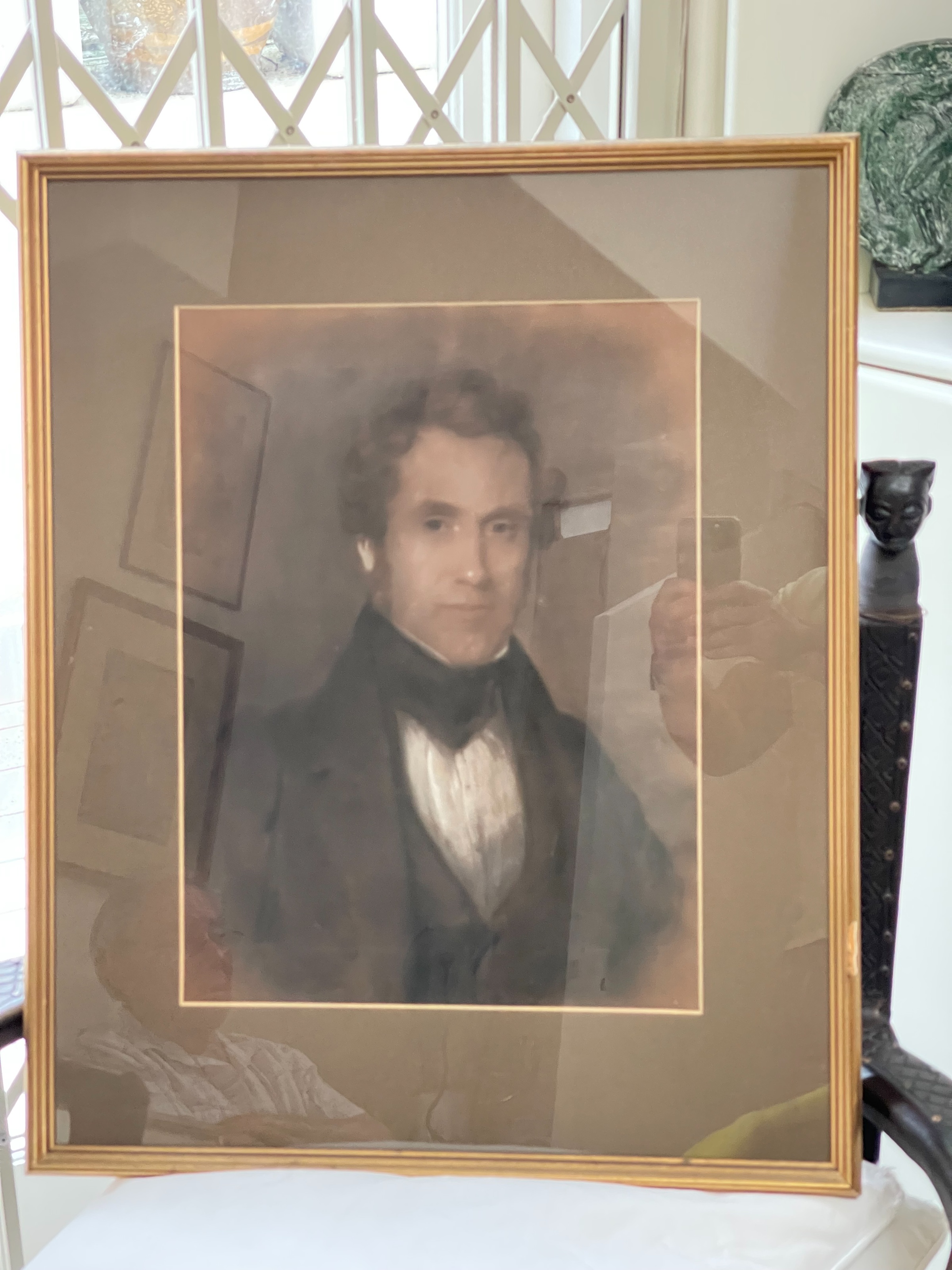
| Gentleman with sideburns | French or British School, c. 1820–1840 | A competent Regency portrait, but under glass that reflected the room, so the condition could not be judged from the photographs. The report said so and priced cautiously | $600 – $1,200 |
| William III as a child | Victorian revival, after Cornelius Johnson | A miniature copy of a famous portrait, painted for the decorative trade: a revival piece, priced as one, in a frame that is a good part of the value | £300 – £500 |
| Picture | Attribution | What separates it | Estimate |
|---|---|---|---|
| 'Village Scene', 1938 | Alexis Preller, signed and dated | A prime-period picture by a collected modern artist, signed and dated, with a rich record of the artist's sales to place it against. The venue matters: a specialist sale for this artist's market pays a multiple of a general one | $40,000 – $60,000 |
| 'Arum Lilies' | Cecil Higgs | Unsigned, yet securely the artist's: the record contained the painting's own previous sale. The clearest case there is of the picture itself outranking a signature | $25,000 – $35,000 |
| 'Karoo Landscape' | Signed indistinctly, attributed to Pranas Domšaitis | A regional expressionist with a real record, reached through a signature that could only partly be read. The attribution carries a lower confidence level, and the price carries the discount | £1,000 – £2,500 |
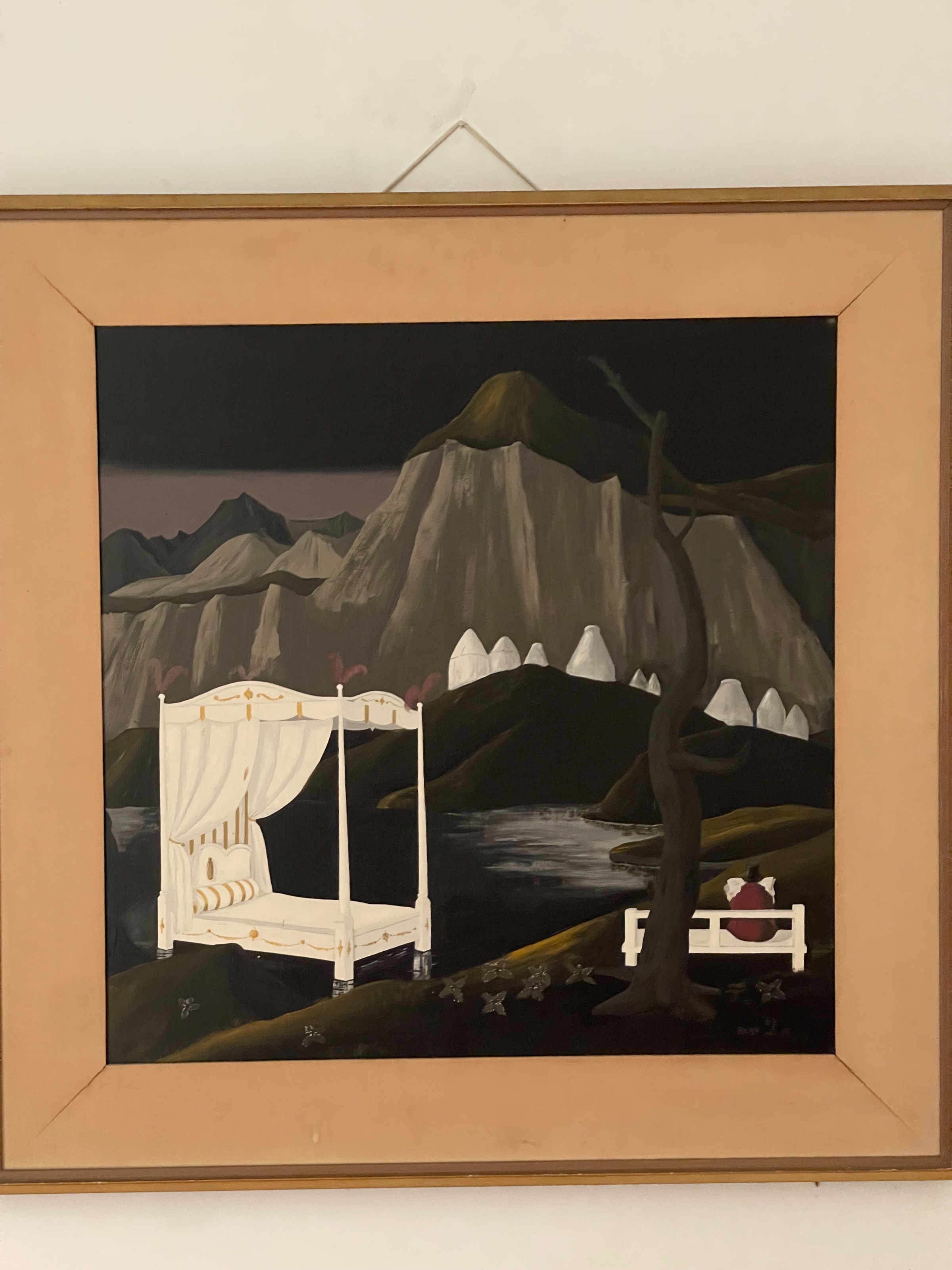
| Landscape with a floating bed, 1991 | Signed indistinctly, artist not identified | A striking, saleable modern picture whose maker the record does not name. Priced on the market for the kind, not the artist, with the reading of the signature left open | £1,600 – £4,000 |
| Piece | Attribution | What separates it | Estimate |
|---|---|---|---|
| William III as a child | Late Victorian historicist, after Cornelius Johnson | A finely painted copy on a porcelain-type plaque in a double gilt and ebonised frame. The quality of the painting and the frame carry it; the subject marks it as revival | £300 – £500 |
| Napoleon I in coronation robes | French, c. 1880–1920, Empire revival | Painted on ivory in a 'piano-key' ivory and tortoiseshell frame: the classic tourist-trade miniature. Ivory rules apply to the sale; the report flags them | $240 – $600 |
The words on the ladder
| Catalogue wording | What it means | Effect on price |
|---|---|---|
| By / name alone | The house stands behind the attribution | The artist's full price |
| Attributed to | Probably by the artist, in whole or in part | A discount that grows with the doubt; the confidence level says how much |
| Studio of / workshop of | Made in the artist's workshop, possibly under his supervision | A fraction of the master's price, higher for a famous studio |
| Circle of | By a contemporary close to the artist | Priced as a good period hand with a famous association |
| Follower of | In the artist's style, in his lifetime or soon after | Priced as an anonymous period picture of that quality |
| Manner of | In the artist's style, but at a later date | Decorative; the famous name adds little |
| After | A copy of a known picture, at any date | A decorative object, unless the copyist is himself collected |
| Signed / dated / inscribed | The house believes the signature is the artist's | Evidence for the top rung |
| Bears a signature / bears a date | The signature may be by another hand | A warning, not a credential |
What to send, and what you get back
Send the three photographs above and anything else that worries you: a tear, flaking, an old repair. Put a ruler or a coin in one shot for scale, in a frame of its own so it does not sit in the picture you want valued. If the painting is under glass, angle the camera until the glazing stops reflecting; if that is not possible, say so.
The written report identifies the picture and places it on the ladder with a confidence level and the reasons, says what it is (oil, watercolour, a print), assesses the condition that photographs allow and names what they do not, cites the comparable sales with lot, price and venue, and compares the routes to a sale, a specialist auction, a general one, a dealer, an online listing, with a band for each and an estimate of what you would take home after fees. Where the right room is on another continent, it says so; where a specialist should see the picture before you sell, it says that too.
Upload the photographs and we will send back a documented valuation with the comparable sales we used, drawn from the auction record in London, New York and the regional rooms where most paintings actually change hands. We do not buy and we do not take consignment, so the figure is not shaped by what anyone would like to pay you. Your first valuation is free, and the short version of how a painting is valued is on our paintings page.
Reviewed by The Findthevalueof research team. Last reviewed 14 Oct 2026.
Common questions
My painting is not signed. Is it worth anything?
- Often, yes. Most paintings made before 1850 are unsigned, and the market prices them by school, period, subject and quality: 'Dutch School, 18th century' is a description with a price, not an apology. A sale record searched with the picture itself can also find an unsigned painting's own previous sale, which settles the hand without any signature at all. What an unsigned picture lacks is the top rungs of the ladder, so the confidence level is lower and the report says what would raise it.
What does 'attributed to' mean, and why does it change the price so much?
- It means probably by the artist, in whole or in part, on evidence that falls short of proof: a signature, a style, a label, but no documented sale of the picture and no specialist's acceptance. Buyers price the doubt. The discount against the artist's full price grows with the uncertainty, which is why the report attaches a confidence level and says exactly what evidence is missing.
How can I tell whether it is an oil painting or a print?
- With a magnifying glass on a mid-tone. A painting has brushwork that rises and overlaps and changes with the stroke; a print made to look like one has a uniform surface, a regular dot pattern, and embossed 'brushstrokes' that do not follow the image. Victorian oleographs and modern prints on canvas both come out of attics in old frames. The report says which it is looking at and when the photographs cannot settle it.
Is the signature proof of who painted it?
- No. It is evidence. Signatures were added to pictures by dealers, by later owners and by forgers, which is why catalogues distinguish 'signed' from 'bears a signature'. The report enlarges the signature, reads it at several contrasts, compares it with how the artist signed in that period, and weighs it against the style, the materials and the sale record. A documented previous sale of the picture itself outranks any signature.
What is a 'sleeper'?
- A picture that is worth far more than its owner or its seller knows, usually because it is catalogued on a lower rung of the ladder than it deserves. They exist, they make the news, and they are rare. The far more common finding is the reverse: a painting the family believed to be by a famous name that the evidence places as 'after' or 'manner of'. The report gives you the honest rung either way.
Does the frame add to the value?
- Sometimes it is most of the value. A carved and gilded eighteenth-century frame, or a good Victorian composition frame, sells on its own, and a period frame on a period picture raises the price of both. A modern frame adds nothing. The report notes the frame where it matters and values the picture and the frame as the market would.
What is relining, and is it a fault?
- Relining is a second canvas glued or ironed to the back of the original to support it. It was routine from the eighteenth century on and does not by itself reduce value; a picture that is 'unlined' is a pleasant rarity rather than a requirement. What does reduce value is what sometimes accompanied relining: flattened impasto, heat damage, and over-cleaning that removed the artist's final glazes.
Should I clean it, or have it restored, before selling?
- Do not clean it yourself. A darkened varnish can hide a good picture, and a professional cleaning can transform both its look and its price, but amateur cleaning has destroyed more paintings than fire. For a picture expected to sell in the hundreds, restoration will usually cost more than it adds; for one expected to sell in the thousands and up, the report says whether a conservator's estimate is worth getting first.
Why does the same artist sell for such different prices?
- Because the market buys the picture, not the name. Every artist has a prime period, a prime subject and a prime size, and a painting from the right years of the right kind sells for a multiple of the same hand's routine work. Subject does most of it: pretty, bright and recognisable sells; brown, stern and religious does not. The report places your picture within the artist's own record, not just against the artist's best price.
What do the photographs on the back tell you?
- More than people expect. Exhibition labels tie a picture to a show and a date. Dealers' labels tie it to a gallery and sometimes to a previous owner. Auction houses stencilled stock numbers on the backs of pictures for well over a century and can still decode them. Canvas-makers stamped their canvases, which dates them to within a few years. Chalk numbers, old titles and inscriptions all help. Photograph everything on the back, even the dull parts.
Can you value a watercolour, a pastel or a drawing?
- Yes. Works on paper are valued on their own scale against sales of the same kind, and the report pays particular attention to what the paper has suffered: fading from light, foxing, mount burn, and whether the sheet has been cut down or laid onto card. A fresh, unfaded watercolour by a listed artist in its original mount is a different price from the same subject sunned for fifty years.
Where should I sell a painting, and what will I actually receive?
- It depends on the picture. A painting by an artist with a national following does best in that country's specialist sales, even if they are abroad; a good anonymous period picture does well in a general fine-art auction; decorative pictures sell through dealers and online. Each route has its own fees, and the report compares them, recommends one, and estimates what you would take home after a typical seller's commission.
How long does a painting valuation take, and what does it cost?
- Most reports arrive within ten minutes; a painting that triggers a deeper research route can take a little longer. Your first valuation is free. After that a single picture is $5, and packs bring it down to $2.25 a piece. There is no subscription, and nobody will try to buy the painting from you afterwards.
Is this an appraisal I can use for insurance, probate or tax?
- No. It is a researched valuation with the evidence attached, which is what you need to decide what to do with a picture and to check an offer against the sale record. For an insurance schedule, a probate filing or a tax deduction, have the report reviewed by a qualified appraiser; it will make that work faster and cheaper.
Worked examples in this category
- Alexis Preller (South African, 1911-1975), 'Village Scene', Oil on Hessian, 1938
- Cecil Higgs (South African, 1898-1986), 'Arum Lilies', Oil on Canvas
- Follower of Sir Anthony van Dyck, Portrait of a Gentleman, Bust-Length, within a Painted Oval
- Dutch School, 18th Century, Portrait of a Young Girl with a Parrot in a Landscape
- Charles John de Lacy (British, 1856–1929), 'Coal Barges in Greenwich Reach, London, with the Royal Hospital in the Distance', 1887
- Expressionist 'Karoo Landscape', Signed Indistinctly, Attributed to Pranas Domšaitis
- Still Life with Fruit and Flowers, Attributed to Louis Ritman (American, 1889-1963)
- Naïve-Surrealist Landscape with Floating Canopy Bed, Signed Indistinctly
- After John Constable (British, 1776–1837), 'The Glebe Farm', A 19th-Century Oil on Canvas Copy after David Lucas's Mezzotint
- 18th-Century Devotional Painting of Saint Francis, after Carlo Maratta (Possibly Spanish School or South German/Austrian School)
- French or British School, Bust-Length Portrait of a Gentleman, circa 1820-1840
- A Floral Still Life, Attributed to Eileen J. Rogoff (b. 1941/42)
- A Victorian Historicist Portrait Miniature of William III as a Child, After Cornelius Johnson, Circa 1870–1900
- French School, Empire Revival Portrait Miniature of Emperor Napoleon I, in a Piano-Key Ivory and Tortoiseshell Frame, circa 1880-1920